




Does the child cry non-stop when they are a little dissatisfied?
Source:Family Dynamic, Psychotherapist, Lai Shun Mei Sometimes, children may cry when they are slightly dissatisfied, and parents may have tried different methods to comfort their children, but the children still cry from time to time. This may make parents feel tired, helpless, and even annoyed. In fact, children’s crying is usually a way of expressing their emotions. Because their language is not yet developed enough to convey a complete story, their own feelings, and some thoughts, they will use the most direct or fastest way to seek help when they are unhappy, which is to cry, just like when they were infants. Let’s not assume that just because children can walk, talk, and go to school, we need to talk to them more about reasoning. In fact, in the preschool years, parents should provide more emotional support to their children. Maslow, a well-known psychologist, came up with the five-level theory of human needs. The levels are physiological, safety, social, esteem, and self-actualization. As children’s cognitive development matures, they have already reached the third level of social needs, which is love and a sense of belonging. At this time, they need to feel the care and love from people around them, and they begin to recognize their own emotions. Therefore, if parents can help them express their emotions and thoughts, not only will their language skills improve, but their social needs will also be met. When we see a child crying, we as parents can say something like this to them:

Punishment or reward?
Source: Dr. Law Wai Pak, Assistant Professor of the Department of Psychology at the Education University of Hong Kong and a registered educational psychologist When it comes to getting their kids to study, many parents feel very frustrated and wish their kids could be self-motivated. When it comes to improving their children’s motivation to learn, many parents first think of using rewards and punishments. But which is more effective, using a stick or a carrot? In fact, I believe that most modern parents understand that punishment is not a very effective method because it can hurt children’s bodies and undermine their self-esteem. Does this mean that using rewards is more effective? For example, “If you finish your book, you can have a pack of chips.” However, this method also carries hidden risks. First of all, this reward often has to be constantly increased in order to be effective. Secondly, when there are no rewards, children will not automatically be motivated to study. Besides using punishment and reward, is there a third way? Here, I would like to introduce three treasures to everyone: “sense of competence,” “sense of autonomy,” and “sense of relatedness.” What is the sense of competence? It is the belief that a child can learn new things and handle challenges. Parents can choose some challenging learning materials or homework that is not too difficult or easy for their children. For example, when they come to the library to choose a book, they should not choose a book
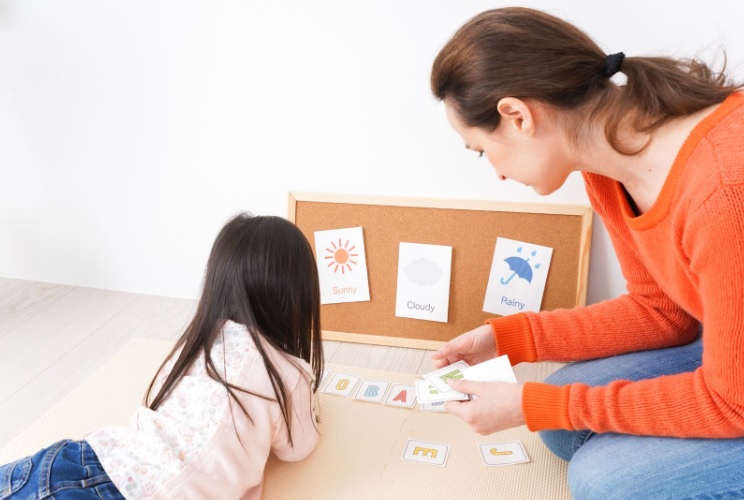
Learn English from games without difficulty
Source: Speech therapist, Miss Carley Often, we want children to learn English vocabulary, which may be difficult and boring for them. In fact, parents can try to create some simple games for children to learn these English words through the process of playing. The first game is called “Covering the Card.” It is similar to the card game we usually play. Parents can write some words that children need to learn on white paper and draw more sheets with laughing faces. How do I play it? To begin, we must mix the cards and distribute them evenly to each player; for example, each parent and child will receive four cards. Then, take turns playing the top card. For example, if this card is drawn, read out the word, explain its meaning, and use the word in a sentence. But if a laughing face is drawn, the player needs to quickly slap the card. If the player is slower, they must take all the cards and keep them in their hands. The player with no cards in their hand wins. The second game is called “passing three levels.” It is actually similar to the game we usually play, but this time we have pre-written some vocabulary words in the nine squares. Then, we take turns with the child to draw some crosses or circles. For example, if I draw a cross here, I need to read, explain, and make a sentence with the vocabulary word in this square. Then it’s the
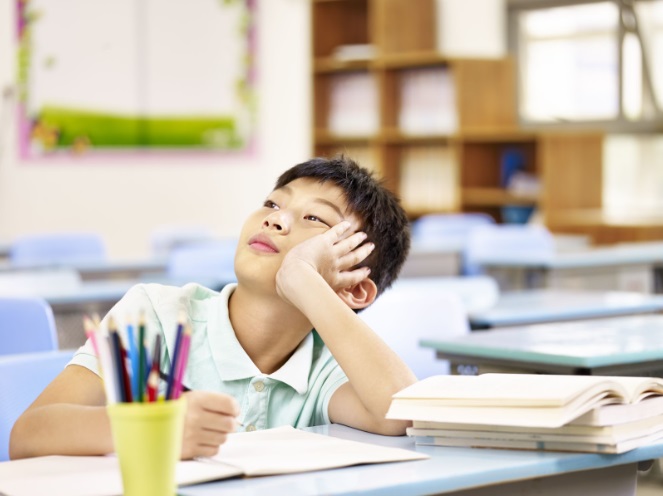
What are the reasons why children are slow at doing their homework?
Source:Dr Hui Lung Kit Whether for children or parents, doing homework is the biggest problem. Even during the summer break, many parents find it a headache. Parents often fight with their children, which worsens their relationship. In fact, there are three main reasons for slow homework. First, excessive activity. At home, children frequently run around, climb up and down, and run from the bathroom to the kitchen, then to their room. They never stop, like a motorcycle moving around. Imagine how painful it is to make them do their homework. If you give them a table and chair, they will never sit still. When they finally settle down, they keep fidgeting and moving their bodies, like they have ants in their pants. To start doing homework, they pick up the pen and say they need to go to the bathroom, then say they need to pee, poop, or that they are hungry and need to eat something. They always have an excuse to leave the chair. It usually takes them 1 to 2 hours to settle down to do homework, which is called excessive activity. Children who are excessively active will definitely do their homework slowly, not because they are slow, but because they need more time to settle For older children, like middle school students or upper elementary school students, they may not necessarily run around, but they often shake their legs, constantly shaking to the point where the whole table is moving. For example, they may spin their

Four behaviors that damage the parent-child relationship
Source: Senior Parenting Expert, Bally Many parents often ask, “Why is the child so disobedient?” “Why does he hate me so much?” or “He is ignoring me more and more.” In fact, there are four types of behaviors that, over time, will cause our children to despise themselves. Many of the parents that I have met in my day-to-day life often unconsciously say or do things that make their children hate themselves. This is what parents do not notice. First, comparison. We frequently ask children, “Why are you like this?” “Your younger brother is not like you; he is very neat,” and “look at the students next to me; they listen to their parents. “When we often express ourselves in a “comparison” manner, children will feel disgusted when they hear their mother’s voice. Secondly, when children do something wrong, parents often overlook the motives behind their behavior. When we find out that a child is doing something wrong, we should first understand what the child is trying to accomplish with the behavior. Do not rule out that they are trying to do something right. Maybe he wants to pour a glass of water for his parents or his brother, or he is not doing his homework well, but in fact, he is doing his best and is just mentally tired. When he is not doing well, we can first praise his behavior by saying, “Thanks; I know you are nice and want to pour water for us, but don’t spill

Are you a “competent parent”?
Source: Senior Parenting Expert, Bally How can we know if we are competent parents? We can find out how the children get along with their parents and how they behave by observing them, and here are five things we can observe. First, trust the parents. If a child trusts their parents, we can see it in their eyes and in their responses when they communicate with their parent. When a parent talks to a child, the child looks intently at the parent, understands what the parent is saying, and responds clearly with “Yes! I understand,” and then follows instructions. This means that parents usually have good communication with their children. Parents often tell their children why they should do something, whether it is a good thing to do, or what they think of it. For example, “I think you did a good job when a child fell down and you walked over to pick him up right away.” When parents tell their children how they feel and praise them for doing the right thing, they will be more willing to listen to their parents’ feelings and reactions, and they will gradually build trust. Second, be brave enough to tell your parents. If children are willing to tell their parents when they encounter certain situations, it proves that their parents give them a lot of space. They are not afraid of being scolded by their parents, and they believe that their parents will give them the right direction, teach them what
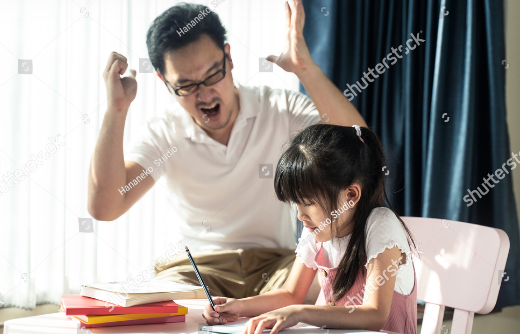
Before becoming enraged at their children, parents should ask themselves these three questions
Written by: Caritas Rehabilitation Services,Clinical Psychologist, Yu Kwok Ting Some parents may be more impulsive and even have a habit of blaming their children for problems such as disobedience, deliberate anger, or naughtiness. When children fail to do what they want, they become angry with their parents, but this will gradually alienate them from their parents, which will damage the parent-child relationship in the long run. Parents’ personalities, families of origin, and parenting methods learned in different ways will affect parent-child relationships. And the adults’ thoughts will influence their mood. If adults find themselves in frequent conflicts with children, which affect the parent-child relationship, we can ask ourselves three questions. Whether there are other possibilities If a child is not able to do all the homework required by his or her parents, the first thing the parents think is that the child is just having fun and not doing homework, but the real reason may be that they do not know how to do it and need parental guidance. If parents take preconceived notions as facts, they may ignore the needs and difficulties of their children and damage the parent-child relationship Whether one’s own thoughts have been confirmed Some parents often say that their child is “deliberately annoyed” and then see their child’s behavior as disobedience, but perhaps the reason for the child’s behavior is carelessness, but the parents are influenced by their subjective feelings and misunderstand their child. Are your thoughts helpful to the goal? If a parent’s goal is to mend the parent-child relationship, but
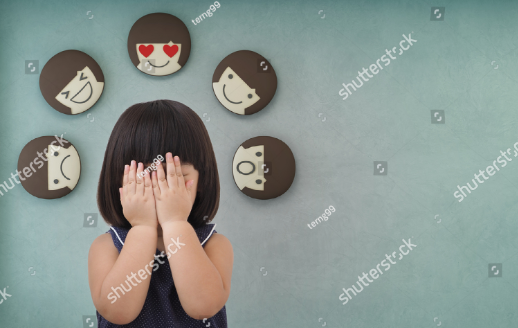
3 big tricks to let young children know the emotions & improve their social skills
Written by: Speech Therapist Mother, Miss Carley Since children are only about two or three years old, their knowledge of the world will become deeper and deeper, teaching them to understand emotions can help them express their feelings and encourage them to put themselves in the position of understanding the feelings of others, thereby enhancing their social skills. Tip 1: Parents and children watch cartoons together Parents can watch more cartoons with their children. Often, the expressions of the characters in these cartoons are exaggerated so that children can identify the emotions and feelings of the characters and ask them about their reasons and solutions. Parents and children watching stories and the storytelling process, in fact, can also ask children to replace the characters in the story and think about what they feel. For example, in the story of the three little pigs, parents can ask their children, “If you are a little pig and your house is blown down, how would you feel?” If you were the big pig and your house was not blown down, how would you feel? This allows them to put themselves in other people’s shoes more often. Tip 2: Put yourself in their shoes In daily life, parents can also try to grasp the opportunity to let their children know that their behavior will affect the feelings of others. For example, when a child does something bad or misbehaves, ask him, “What do you think about mommy’s emotions right now? It turns out that
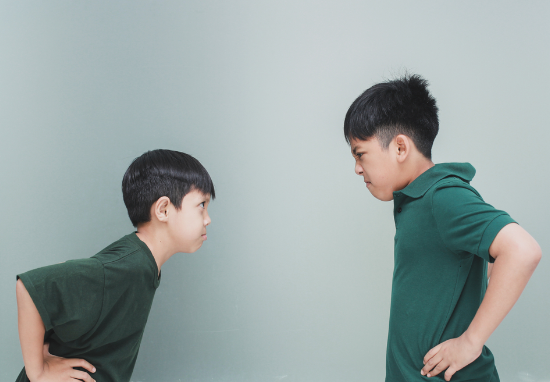
Siblings often quarrel with each other and the role of parents is especially important.
Written by : Founder of Family Dynamics Marriage and Family Therapist Children Play Therapist Ng Yee Kam In recent play therapy cases, several of the children’s emotional problems were related to their young siblings’ relationship. Most of these problems were not caused by major arguments, but rather by subtle interactions in which each child was seeking the mother’s attention, comparing how much positive feedback they received from each other, and comparing who the mother “loved” more! Children often fight with each other because they are jealous of their siblings and take the opportunity to vent their frustrations. It is true that everyone is “biased” and so are parents. Both inborn and nurtured personalities can lead to a preference for certain behaviors and behavioral patterns. If parents do not think about this, they will not suddenly become more open-minded because their children are their own. Parents may be more appreciative of certain traits and more resistant to certain traits in their children’s different personalities. This is understandable. The problem is that parents must be aware of this situation and be aware of it and allow themselves to grow beyond the narrow framework of their parental role, increase the breadth and width of their own vision, learn to appreciate the differences in their children’s personalities, and appreciate their children’s unique strengths from the bottom of

Don’t be the “audience” for your child’s “acting”
Written by: Founder & Volunteer Director of Good Love Passion Lam Ho Pui Yee Praise is often misunderstood and misused. Some parents think that praise is a “cure-all” medicine and that their children will accept any praise they are given. In fact, children can’t accept sarcastic praise, and it will only turn them off and backfire. Appropriate praise is more effective than harsh punishment. Some comments can be hurtful and can even affect a child’s personality development for the rest of his or her life. Successful parents take advantage of opportunities to praise or encourage their children, as timely and appropriate praise can be motivating and inspiring, enabling children to grow in the right direction. Smile and make eye contact at the same time When praising your child, parents must smile and look into your child’s eyes at the same time. Such sincere feelings are the happiest and overflowing. Because praise is a double-edged sword – the right kind of praise will make a person feel confident and happy and move forward, but the wrong kind of praise will make a child lose his or her way and stagnate. For example, when a child refuses to “sit down”, the parent should say “please sit down” with a matching expression. If the child is willing to comply, the parent can praise him immediately and then play a fun game with him. But if the child still does not comply, the parent can immediately take the child away from the scene to divert